Against the backdrop of the "Eastern Data, Western Computing" initiative and relentlessly rising demand for AI computing power, data centres are being held to unprecedented standards of supply reliability. The phase-three smart distribution project that HIGHDE Intelligent Technology (Guangdong) Co., Ltd. helped build has now been commissioned, giving this critical computing base — which carries intelligent algorithms, computing power and big-data workloads — digital assurance from the distribution room all the way to the cloud.
Incoming feeder cabinets are equipped as follows.
The project covers sections D5 and D6 of the data centre's phase three, 24 transformer zones in total, and adopts an "active plus standby" supply architecture throughout. On site, orange identifies the active section and blue the standby section, with UPS cabinets configured as back-up power — a three-tier safeguard of active, standby and back-up.
Every transformer incoming cabinet is fitted with a Schneider POI station-control panel that supervises the zone's air circuit breakers, NSX moulded-case breakers, DCM moulded-case breaker communication modules, PLC and IFE modules, achieving zone-level "on-the-spot supervision".
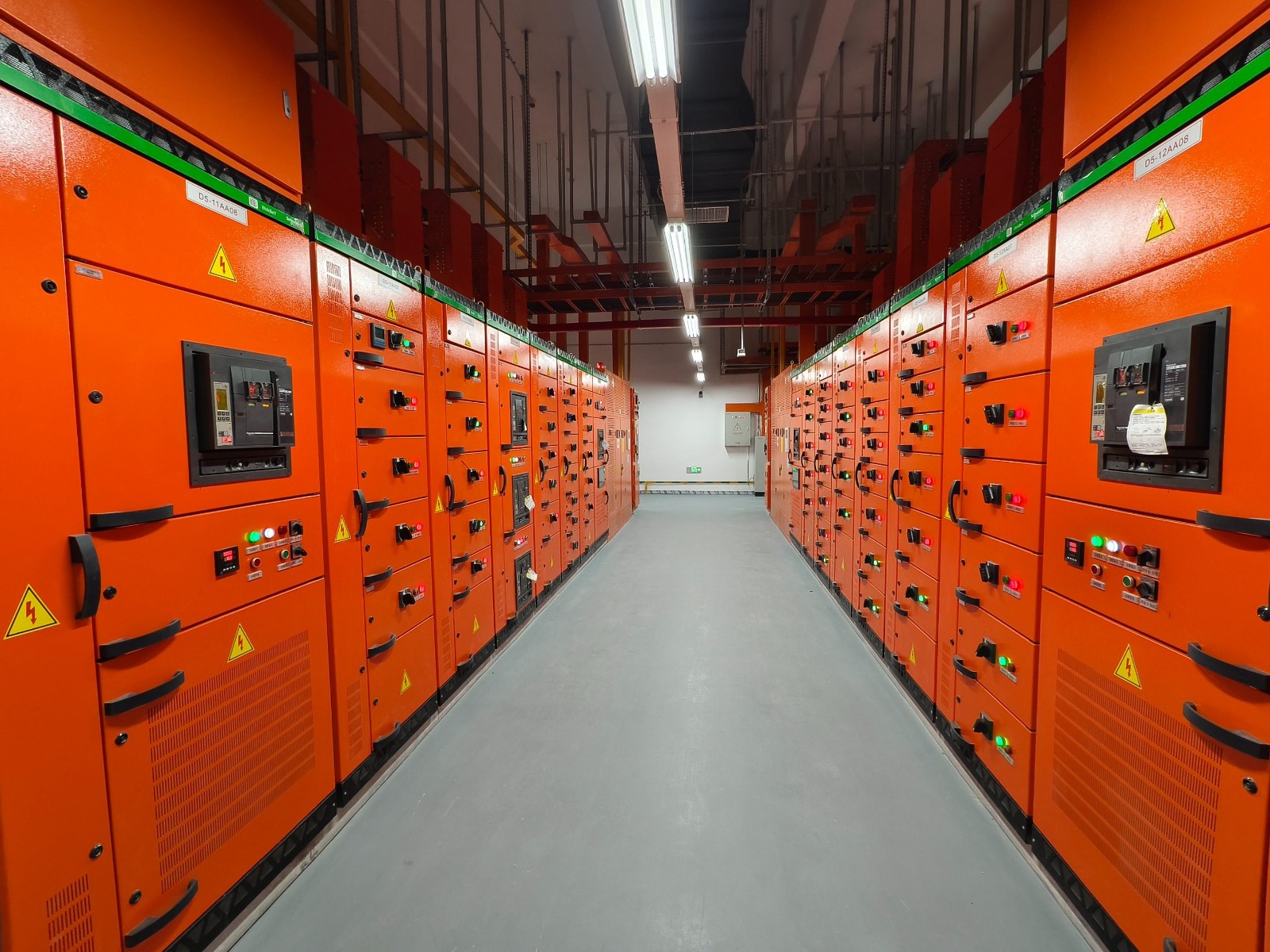
Figure 1 — Main power distribution room: rows of orange cabinets form the data centre's primary supply path
Project background: a computing base cannot afford a single outage
The data centre carries important domestic workloads — intelligent algorithms, computing power and big data — and runs all year round, so the stability of its distribution room directly determines business availability. Loads swing sharply with computing tasks, harmonic pollution is severe and tolerance for power loss is close to zero; as a large energy consumer it also faces strict efficiency assessments and dual-carbon pressure. A highly reliable, intelligent distribution system has therefore become a hard requirement for safe data-centre operation.
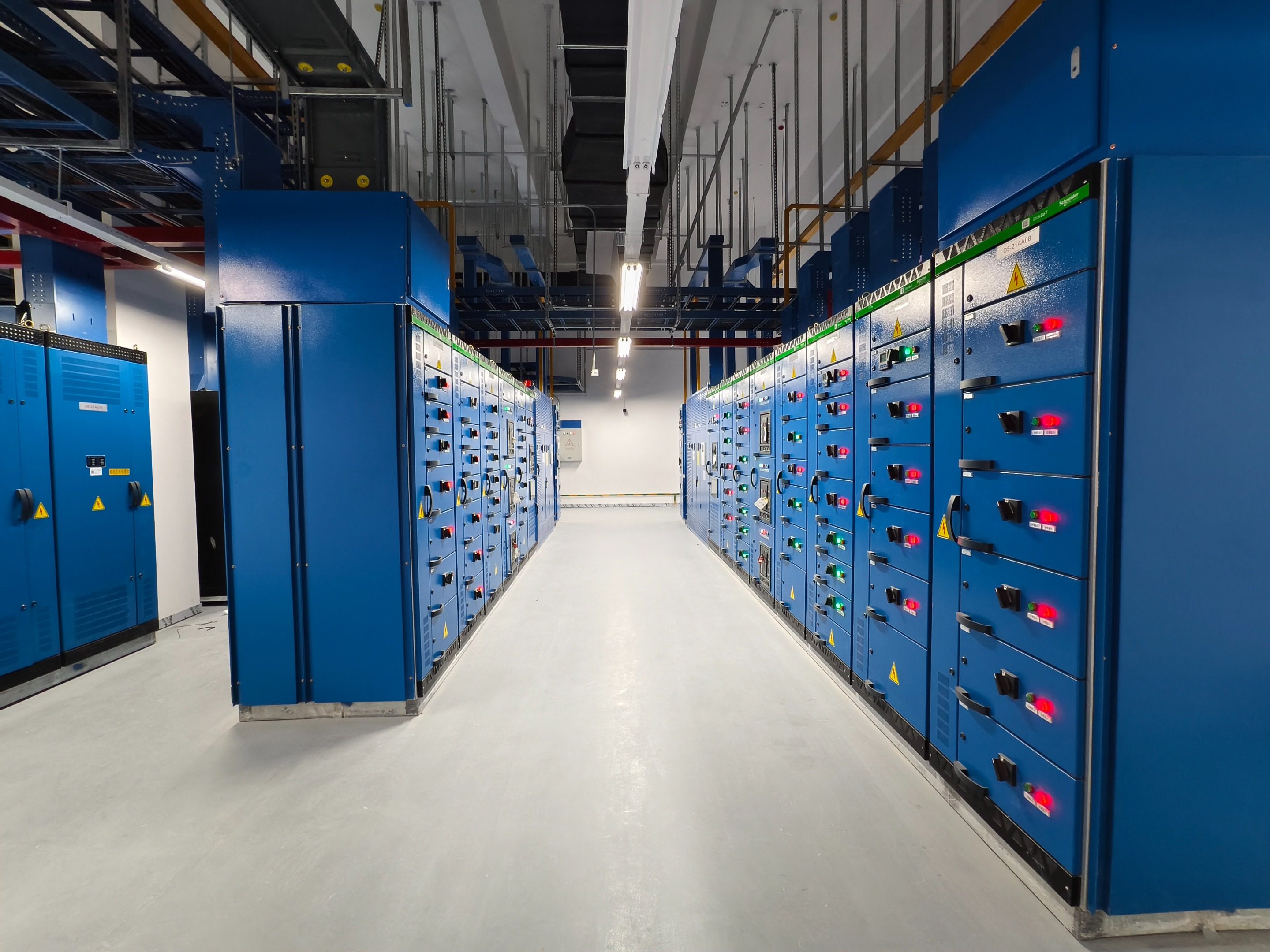
Figure 2 — Standby UPS area, mirroring the active section in a symmetric redundant structure that provides uninterrupted power for critical loads
On-site construction
During construction and commissioning, every zone's distribution cabinets were installed and wired to a standardised process. Cabinets use Schneider BlokSeT low-voltage assemblies with clear labelling and standardised circuit numbering; in-cabinet PLC and I/O modules handle digital-input collection and control-command output, with terminal blocks numbered one by one to provide the hardware basis for automatic transfer logic.
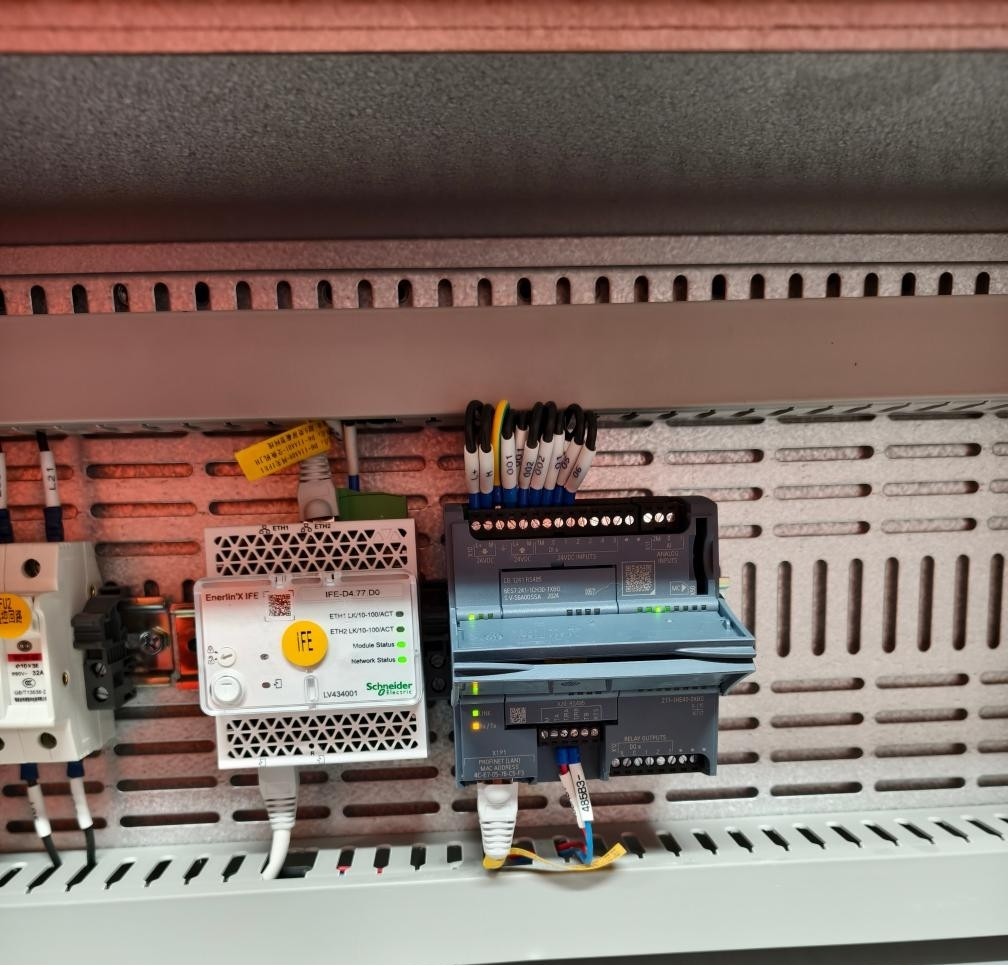
Figure 3 — PLC and I/O modules inside the cabinet handle digital-input collection and control-command output, with every terminal numbered
Product highlight: from monitoring electrical parameters to diagnosing health
Beyond conventional electrical-parameter monitoring, the Schneider solution deployed here also includes top-tier industry analysis modules, moving distribution O&M from "repair after failure" to "prevent before failure".
As computing capacity keeps expanding and dual-carbon targets tighten, data-centre distribution systems are evolving from "power supply equipment" into "operating units with sensing and judgement". Going forward, on the Schneider EcoStruxure Power architecture and platform, HIGHDE will continue to work with its partners, empowering critical computing infrastructure with integrated hardware and software capability for energy efficiency and sustainable development.