Village Concentration Control | Keeping Sewage out of the River and Rain out of the Plant
At a project in Lianmou Village, Guangzhou, a Wastewater Concentration Intelligent Control Device (SPPT) was fitted to the interception flow-limiting pipe at the end of a combined culvert. By "opening and closing according to water quality", it solves the twin problems of rainwater occupying pipe capacity during storms and sewage overflowing into the river after rain.
01 | Background: facilities that cannot tell dry weather from rain
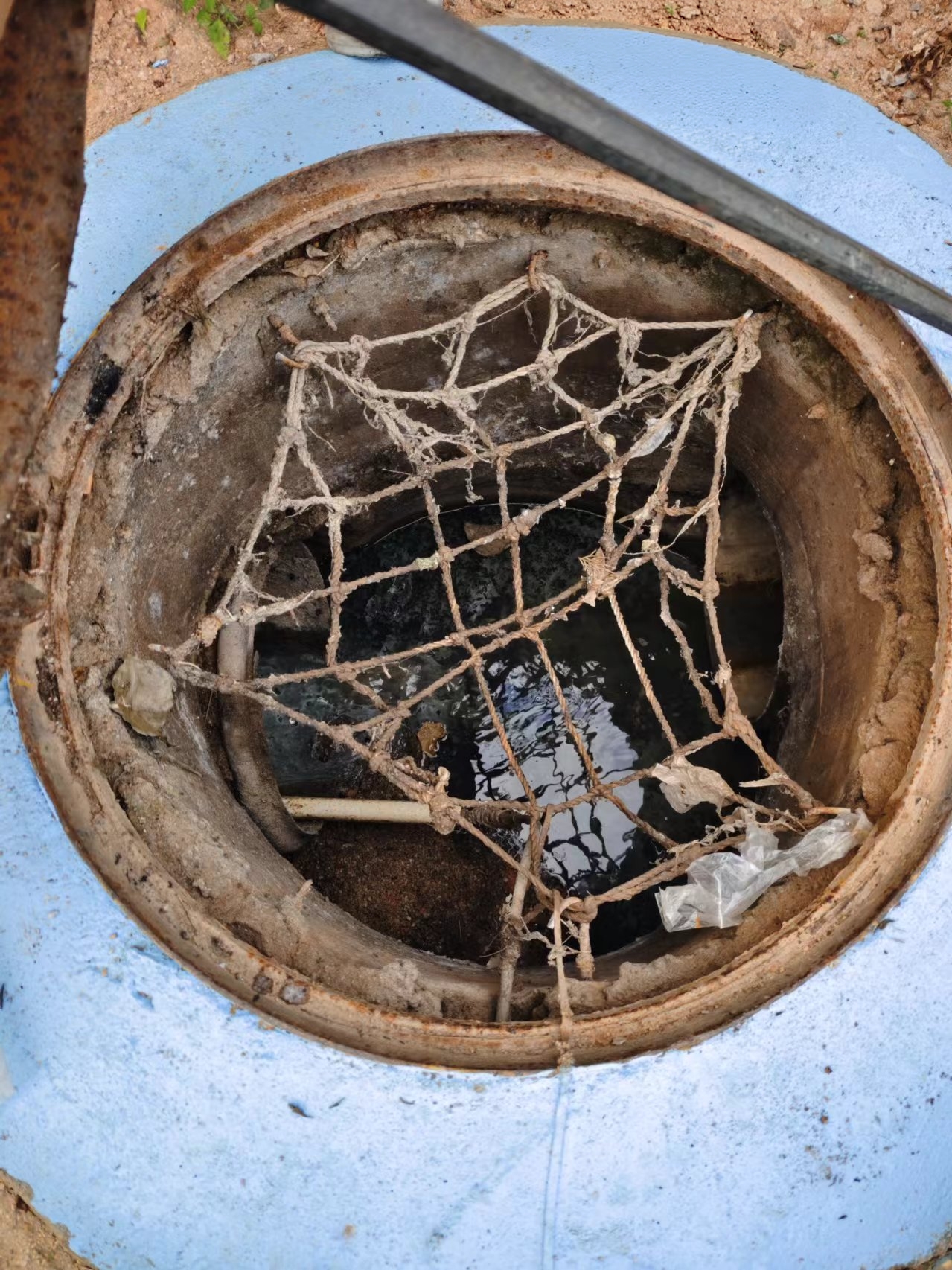
The culvert already had an interception flow-limiting pipe, an interception weir and gates. After sewage/stormwater separation works, sewage volume had dropped substantially, but full separation had not been achieved. During rainfall, pollutant concentration in the culvert falls rapidly and large volumes of rainwater still enter the sewer network, diluting influent concentration at the treatment plant. At low-lying culvert ends, high trunk-sewer levels in the rainy season cause backflow and prolonged post-rain overflow pollution into the river.
02 | Solution: make the interception facility understand water quality
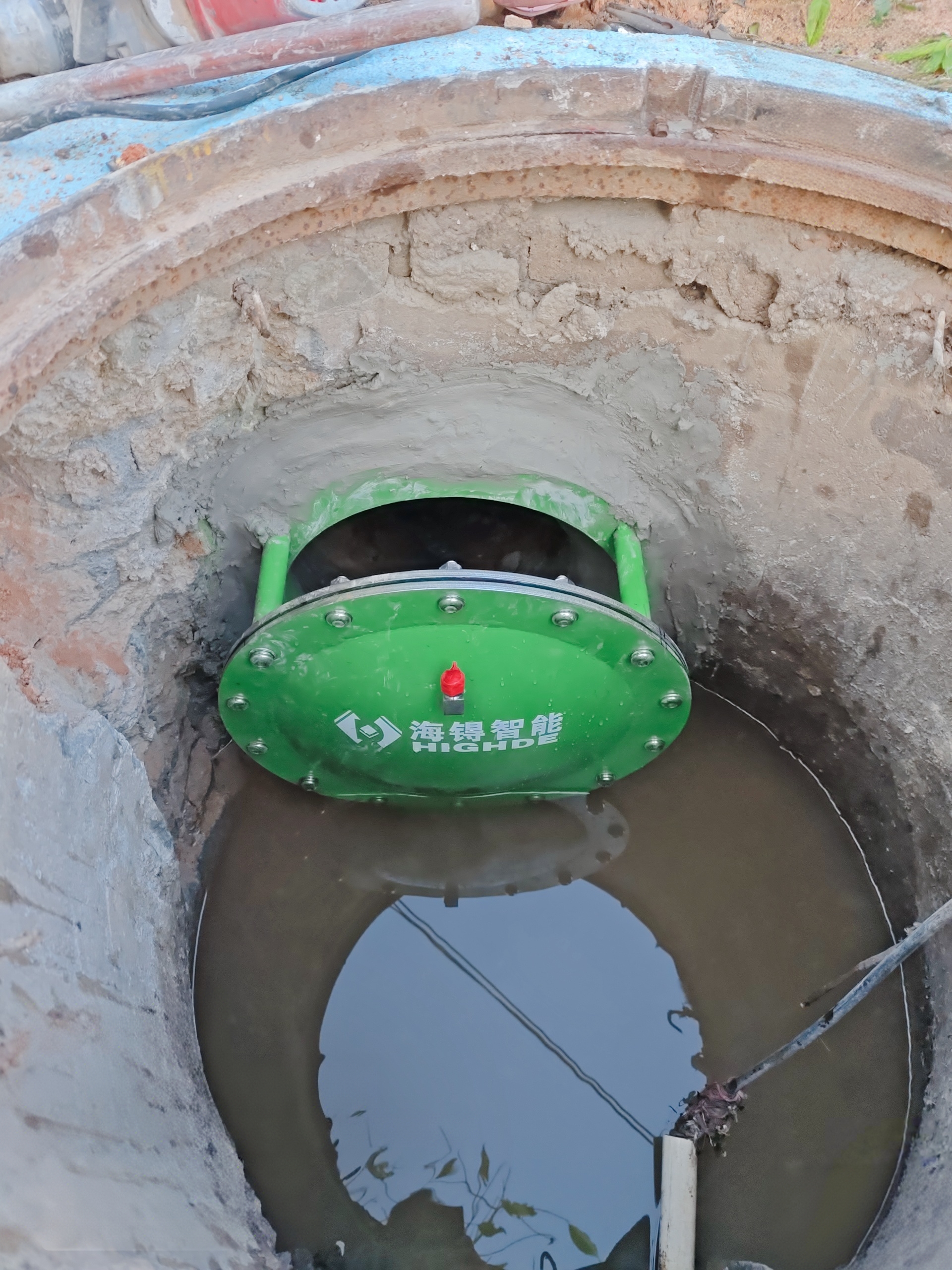
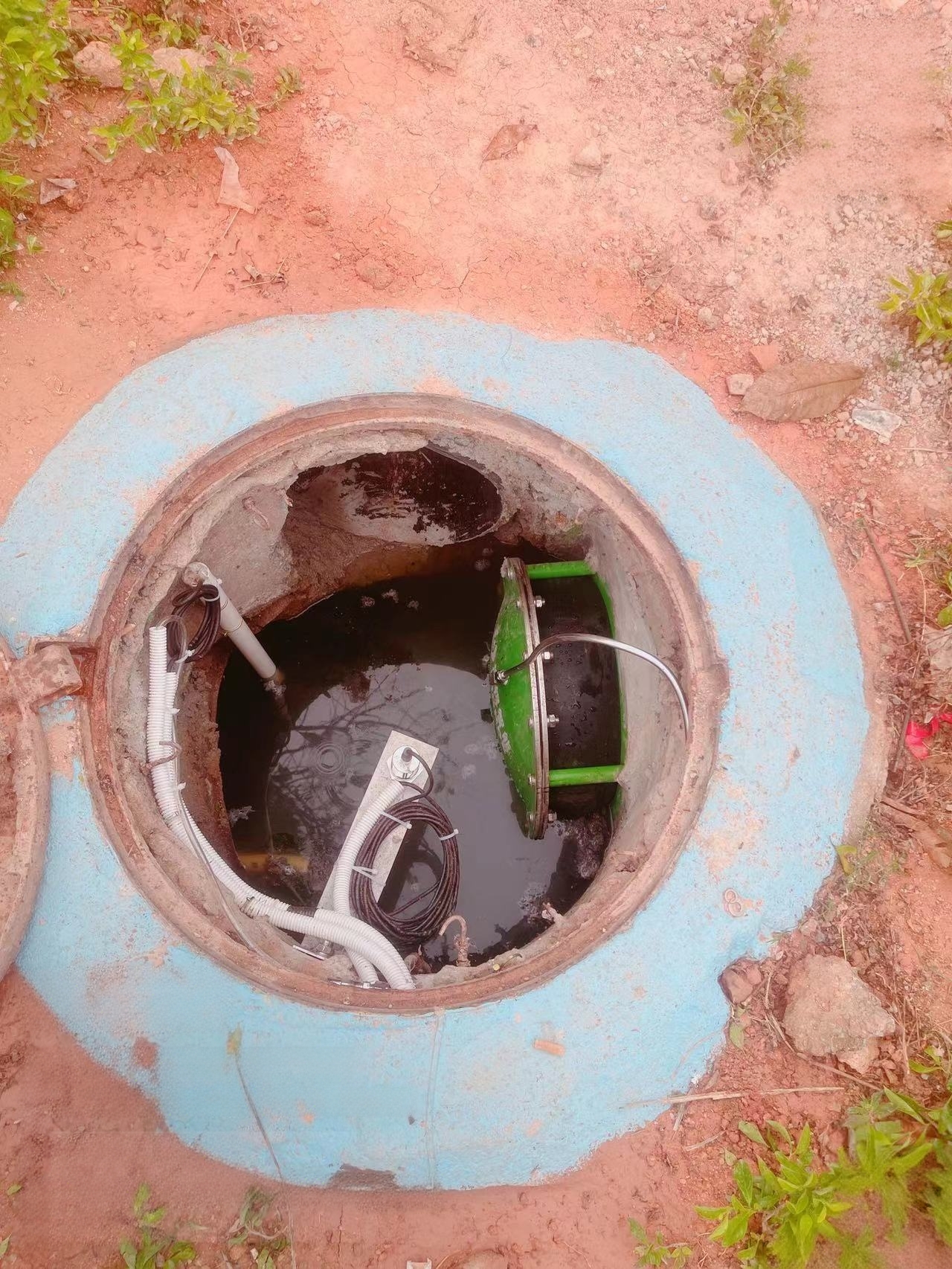
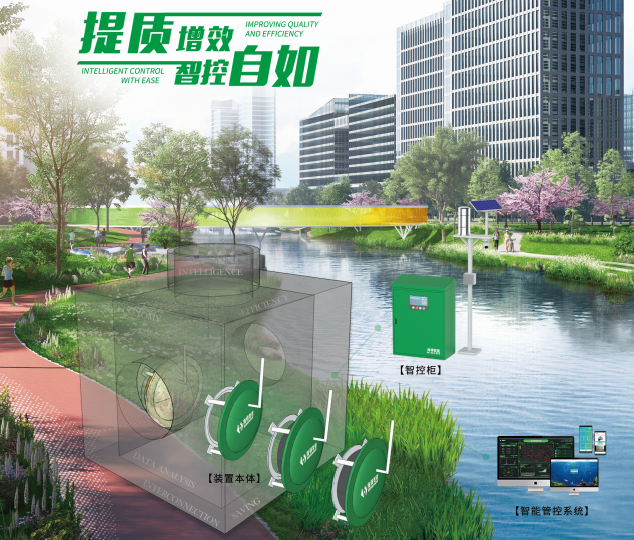
An SPPT device was installed inside the interception well on the terminal flow-limiting pipe, taking up no surface space. In dry weather it stays open so that small volumes of misconnected sewage are still intercepted, ensuring no direct discharge to the river. In wet weather it closes on a time delay based on measured concentration, collecting high-concentration first-flush runoff while preventing excess rainwater from entering the sewer - a time-based "interception-type separation" regime.
03 | Installation
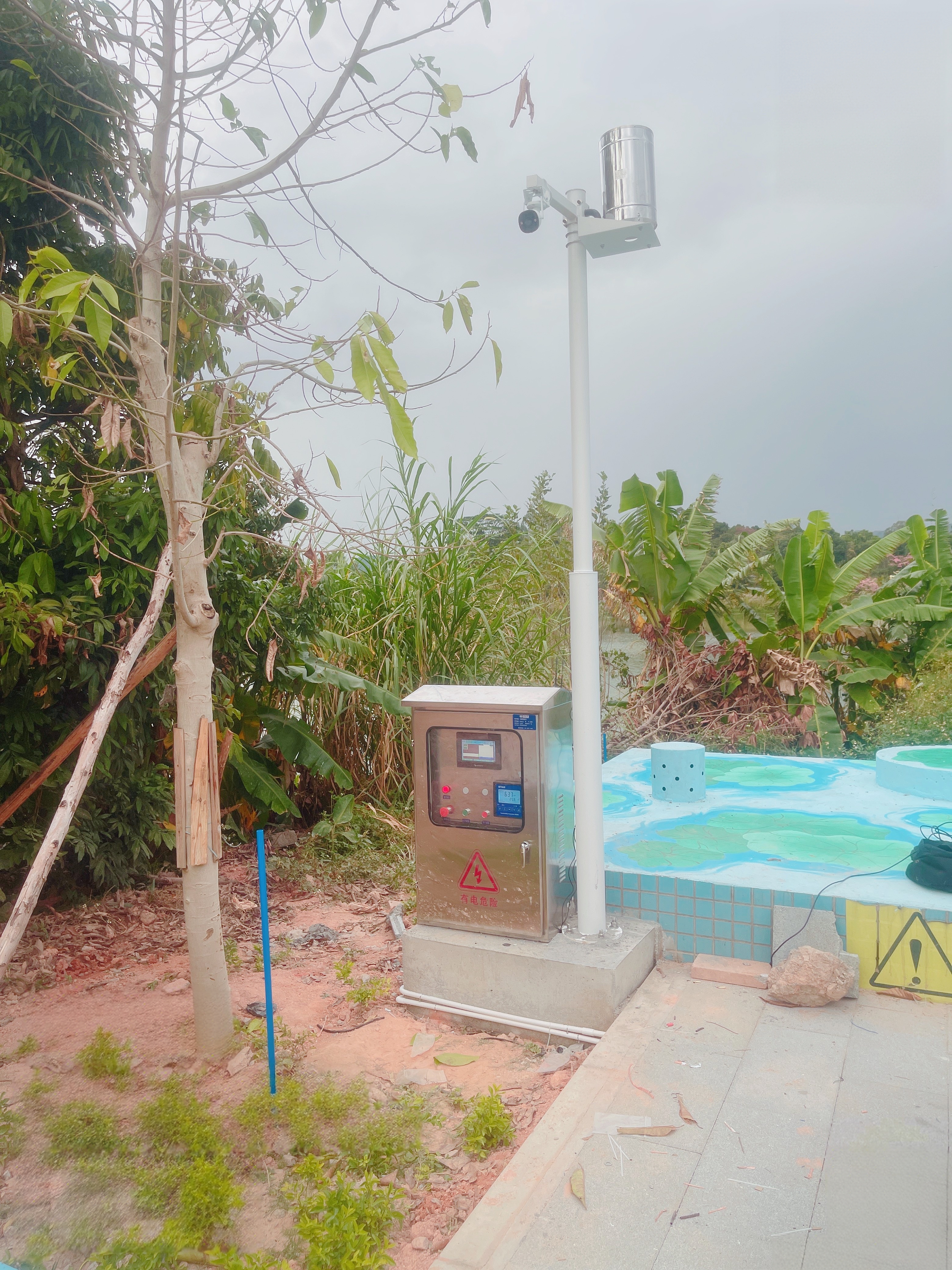
The device is buried below ground, with a control cabinet, power supply and monitoring pole above ground, including a solar power assembly.
04 | Six product advantages for ageing interception wells
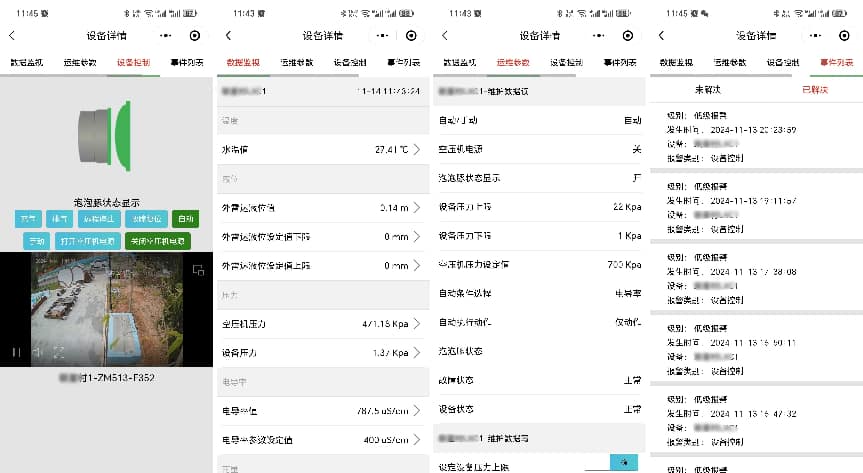
The SPPT (model i-Water-SPPT) uses an air compressor to deform a flexible membrane for flow control. It requires no surface space or enlarged above-ground facilities and no additional land acquisition; the polymer-composite membrane closes tightly with zero leakage; stainless-steel flow components resist corrosion; the simple structure has no internal moving parts, making maintenance easy; the HAIOT intelligent O&M platform interconnects scattered outfalls for system-level analysis; and distributed solar power removes the need for cabling or mains electricity.
05 | Benefits
Rainwater is diverted away from interception points during storms, reducing the volume and level entering the sewer system, raising influent concentration and improving treatment efficiency. Backflow from the trunk sewer into the culvert is reduced, and dispatch of the facilities achieves "sewage to the plant, rainwater to the river" - shifting water environment management from engineering-led treatment to intelligent, data-driven management.