The Liangmou Village smart interception and diversion well project tackles the direct discharge of the village’s combined sewer culvert into the river and the resulting black-odour conditions. Ageing flap gates were upgraded in place, resolving three pain points at once — dry-weather overflow, river backflow and low influent concentration — and providing a replicable benchmark for river management in old urban areas.
In-situ upgrade of the existing well: before and after on one river
Two years ago the combined culvert along the Liangmou Village river section discharged straight into the waterway. Sewage flowed in the open, the channel was severely black and odorous, floating debris was everywhere and water quality could not meet the standard. One further obstacle made it harder: an elevation difference between the culvert and the main sewage pipe meant sewage could not flow by gravity into the interception well and on into the main.
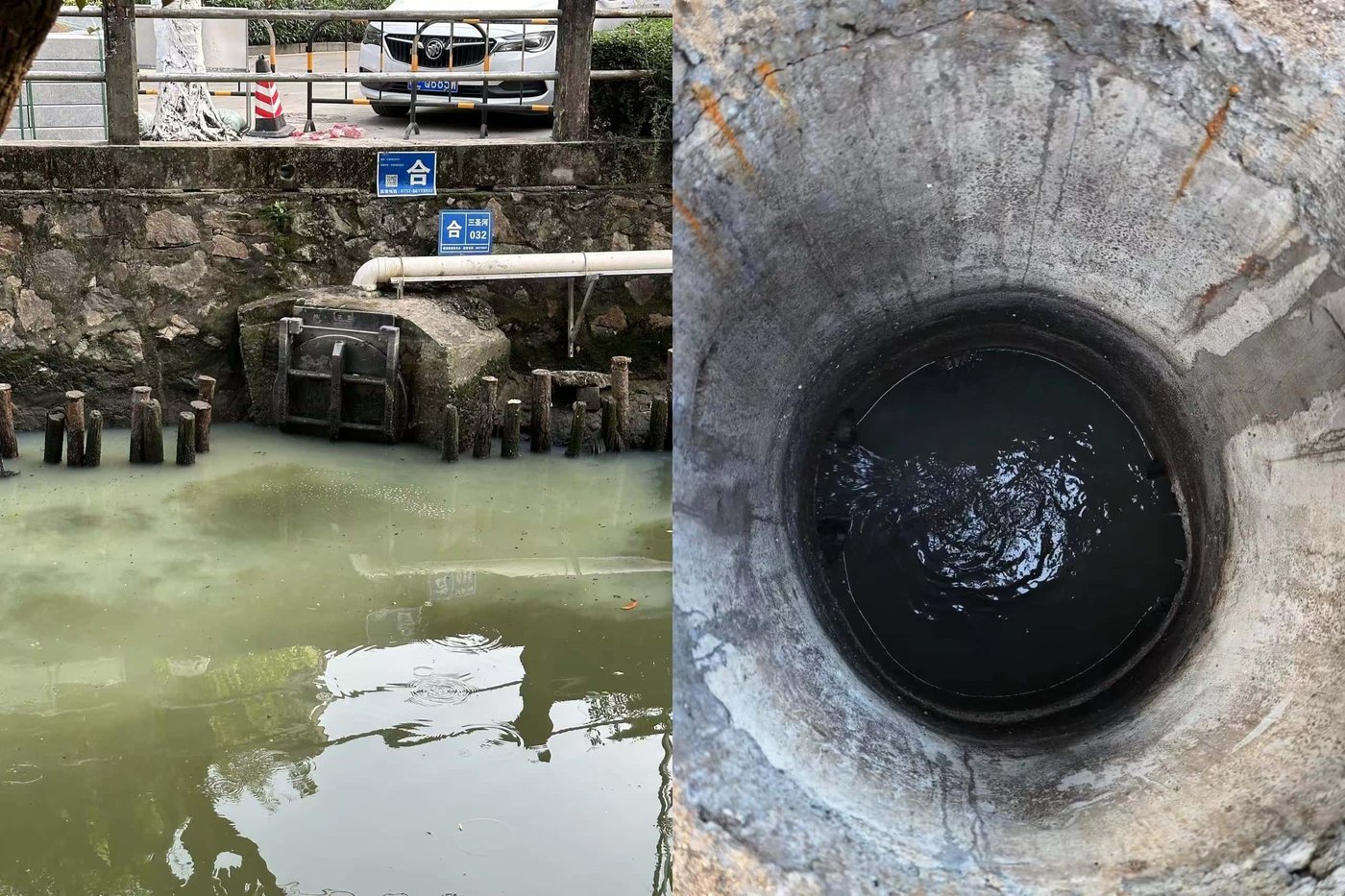
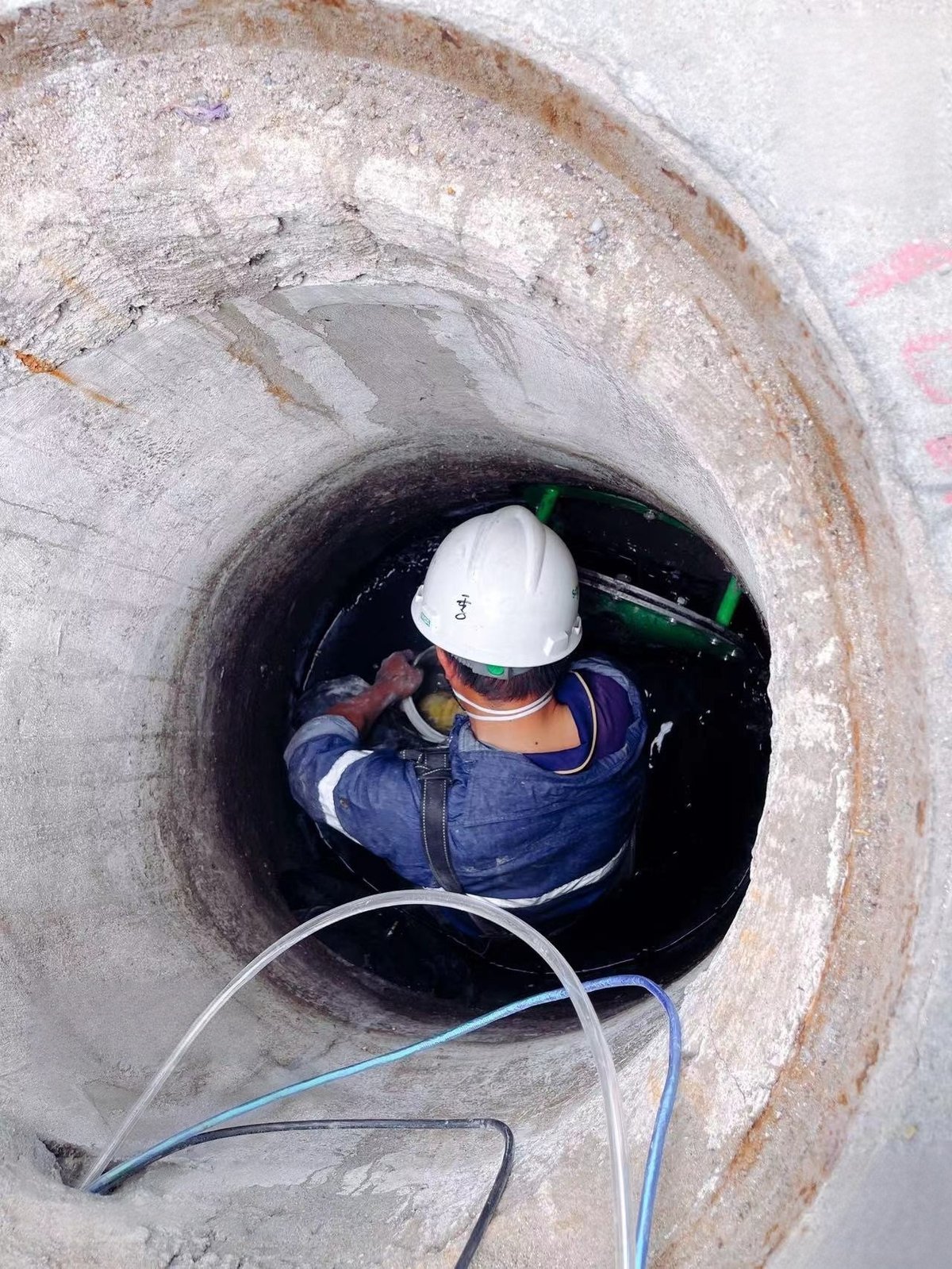
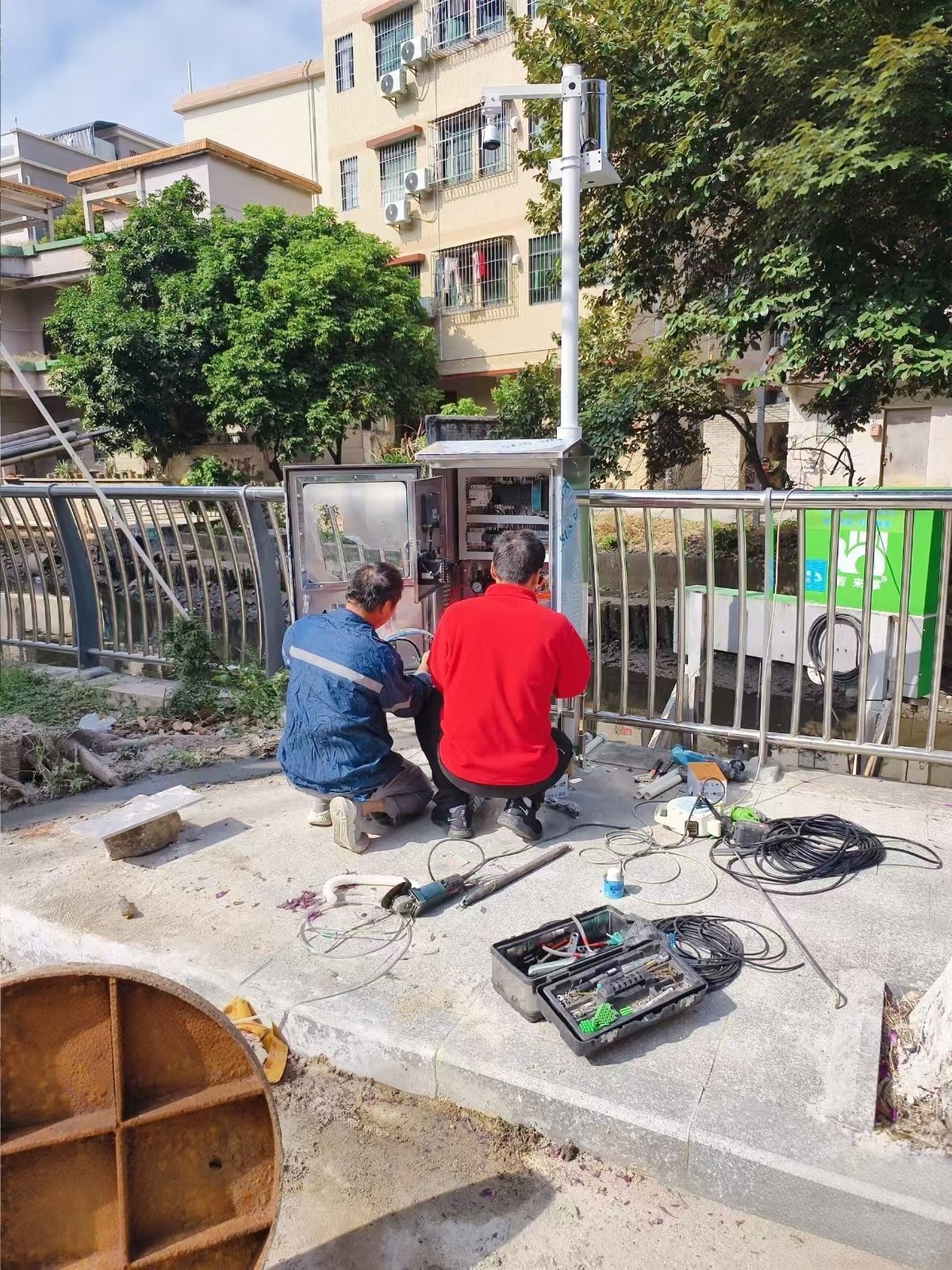
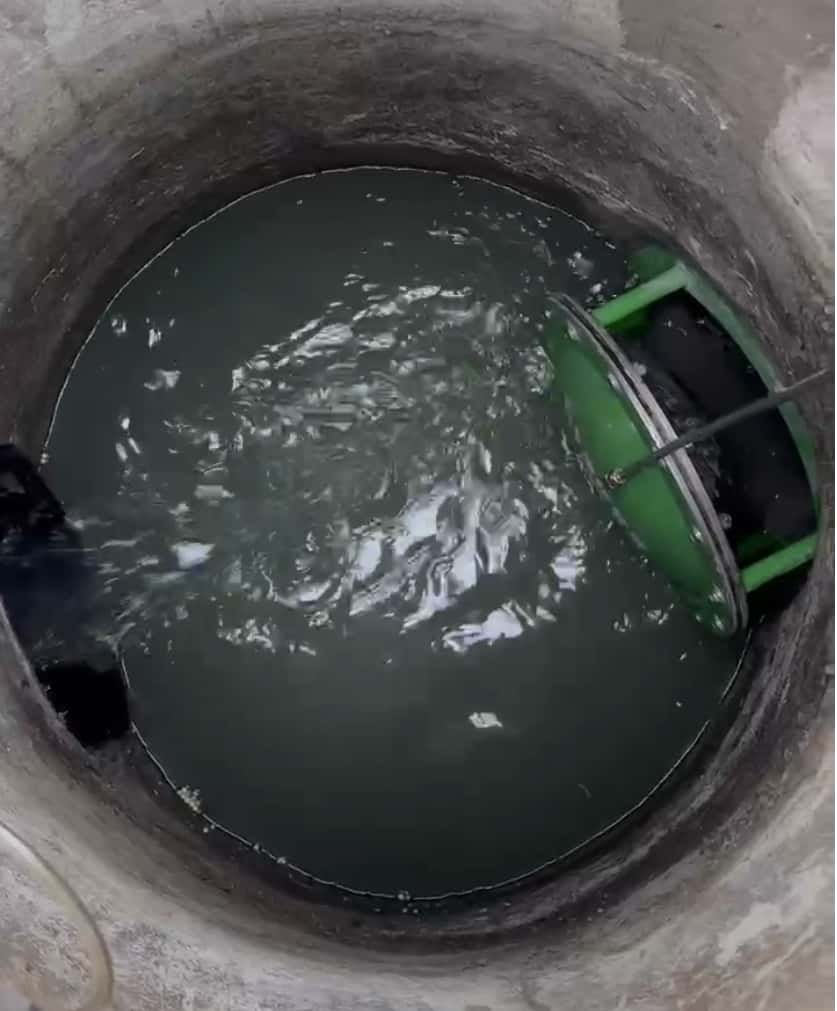
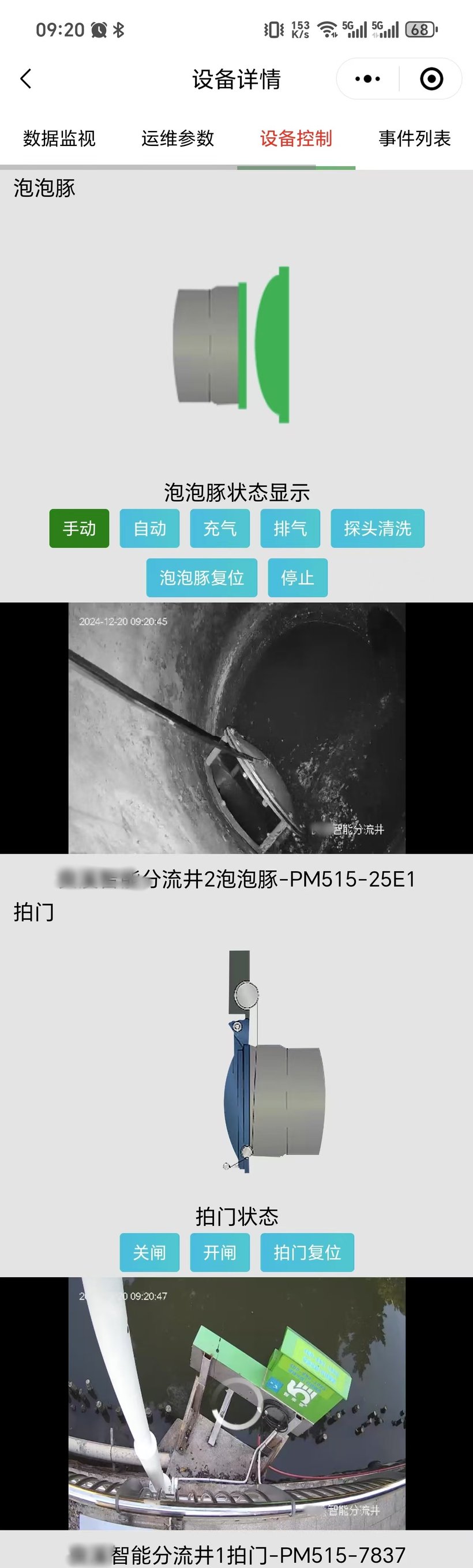
At the end of the culvert the project installed a smart outfall system device (commonly called a “smart flap gate”, brand name Zhilaizhang), and upstream in the main sewage pipe an influent concentration control device for the wastewater treatment plant (Bubble Dolphin), together forming a smart interception and diversion well in the broad sense (Feiyan). Closing the outfall raises the water level in the culvert, so sewage overflows into the interception well and then into the main sewage pipe, solving the elevation problem at the level of principle. Construction ran as a seven-step closed loop — remove the old flap gate, install the base, fit the mechanical and electrical parts, run power and cabling, install the smart flap gate and the Bubble Dolphin, commission the system, then hand over after acceptance — with no major civil works, a short construction period and minimal disruption.
Product highlights: making the well “think”
The smart interception and diversion well is designed for urban combined sewer systems and sits where the storm and sewage pipes meet. Using instrument data it automatically routes stormwater (especially the first flush) and sewage into their respective pipes, achieving “full interception in dry weather, first-flush diversion, and full direct discharge in the rainy season”.
Its core is precise opening and closing by concentration: high-precision water quality sensors in the well continuously track conductivity, COD, ammonia nitrogen and other key indicators. When concentration reaches the preset threshold the sewage channel opens automatically and effluent that meets treatment requirements flows into the municipal sewage network; below the threshold it closes quickly, preventing low-concentration water from diluting the network. The equipment also provides dry-weather, first-flush, direct-discharge and backflow-prevention modes, deciding when to open or close the flap gate and the control device by comparing sewage concentration, in-well level and river level against set points. Through the smart O&M platform it also supports remote monitoring and unattended operation.
Project benefits and outlook
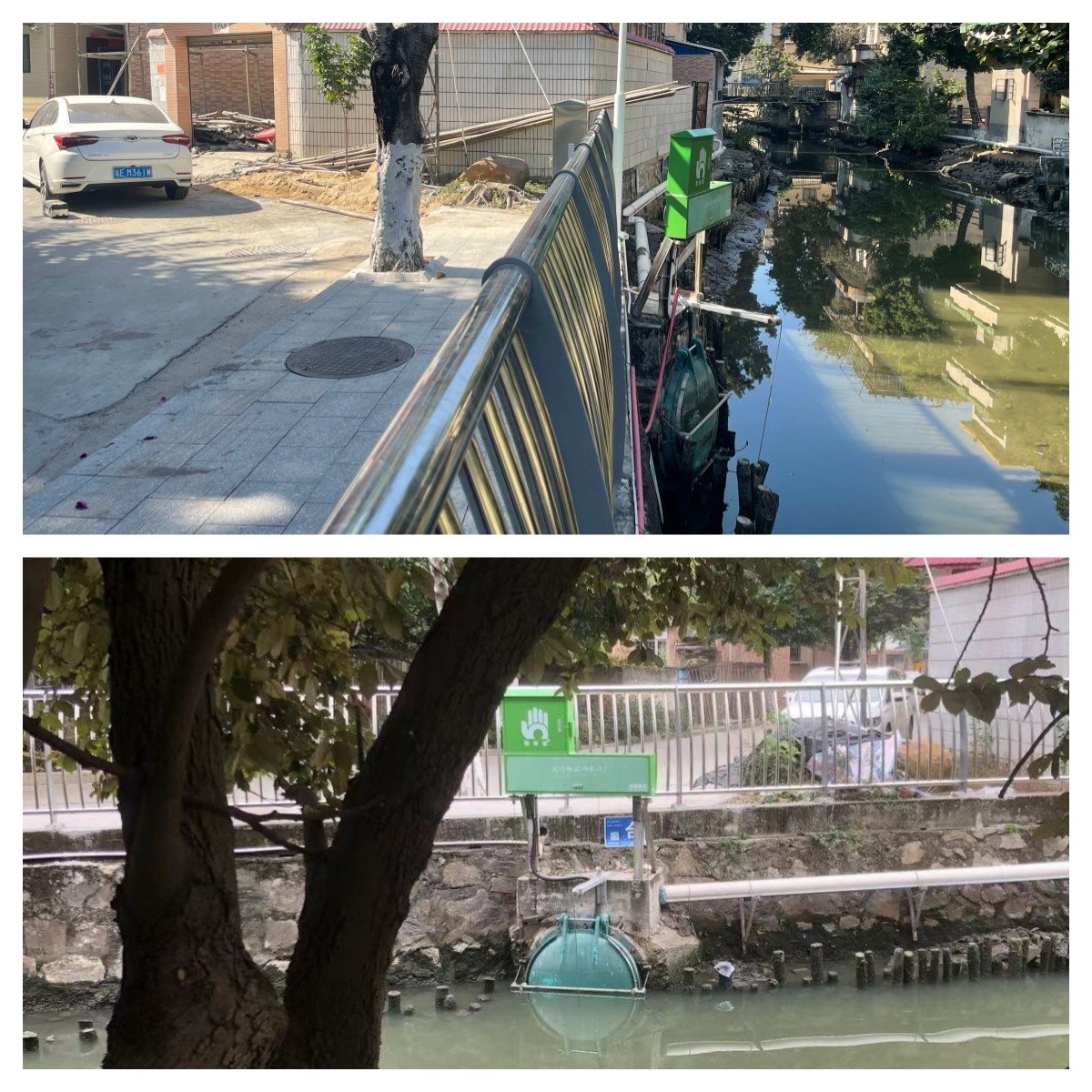
After handover all three pain points were resolved together: sewage now enters the main sewage pipe, the river environment has improved markedly, and the smart O&M platform is live on multiple terminals. The project required no major civil works, kept retrofit costs under control and runs automatically without on-site staffing, offering a replicable path for similar combined-system retrofits in old urban areas.
As sponge-city construction, black-odour water body treatment and wastewater treatment quality-and-efficiency improvement continue to advance, smart integrated “plant, station, network, river” equipment such as the smart interception and diversion well (Feiyan) are expected to play a role in more river management projects.